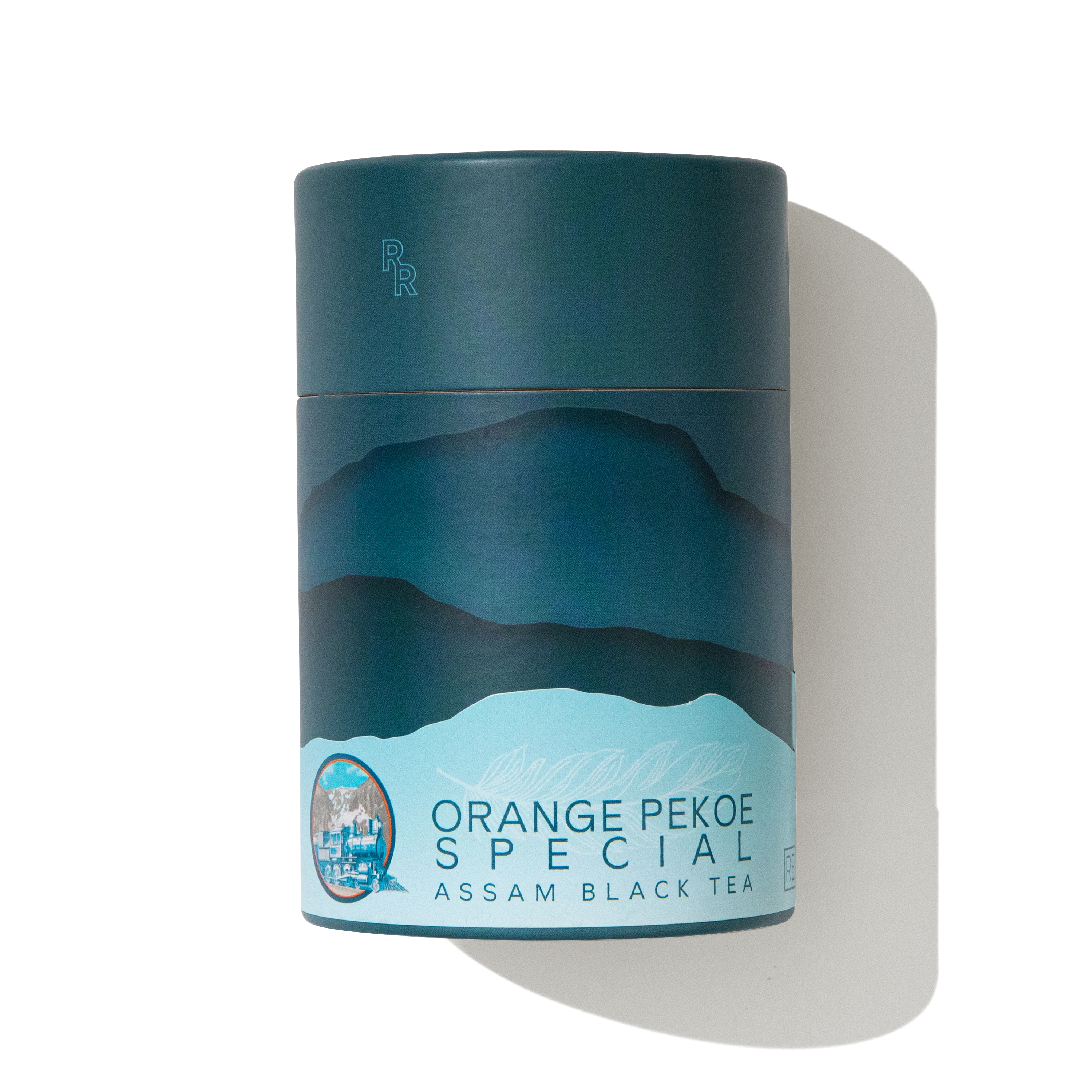
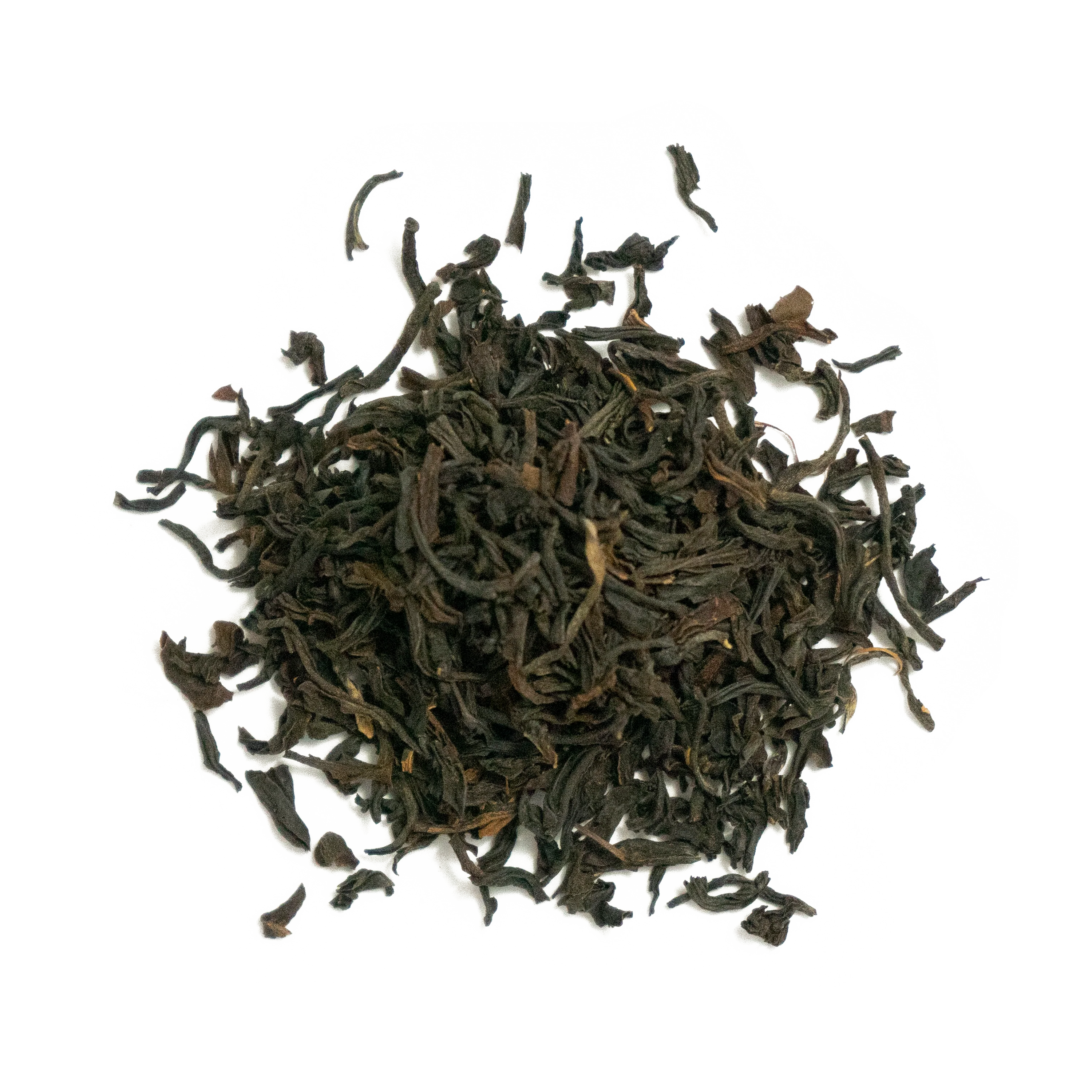
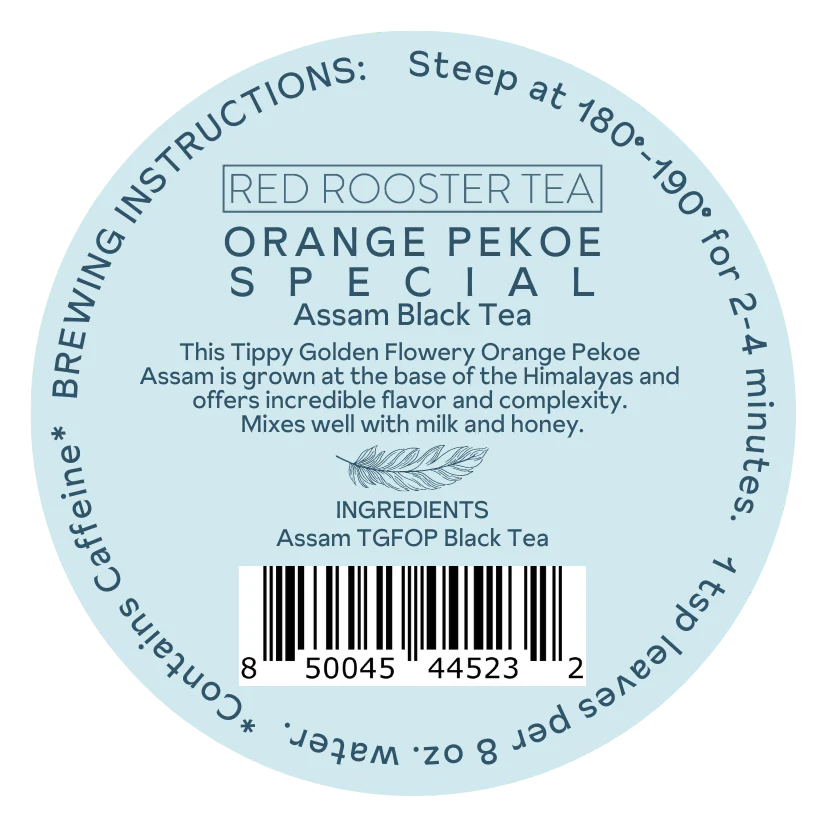
Orange Pekoe Special Assam
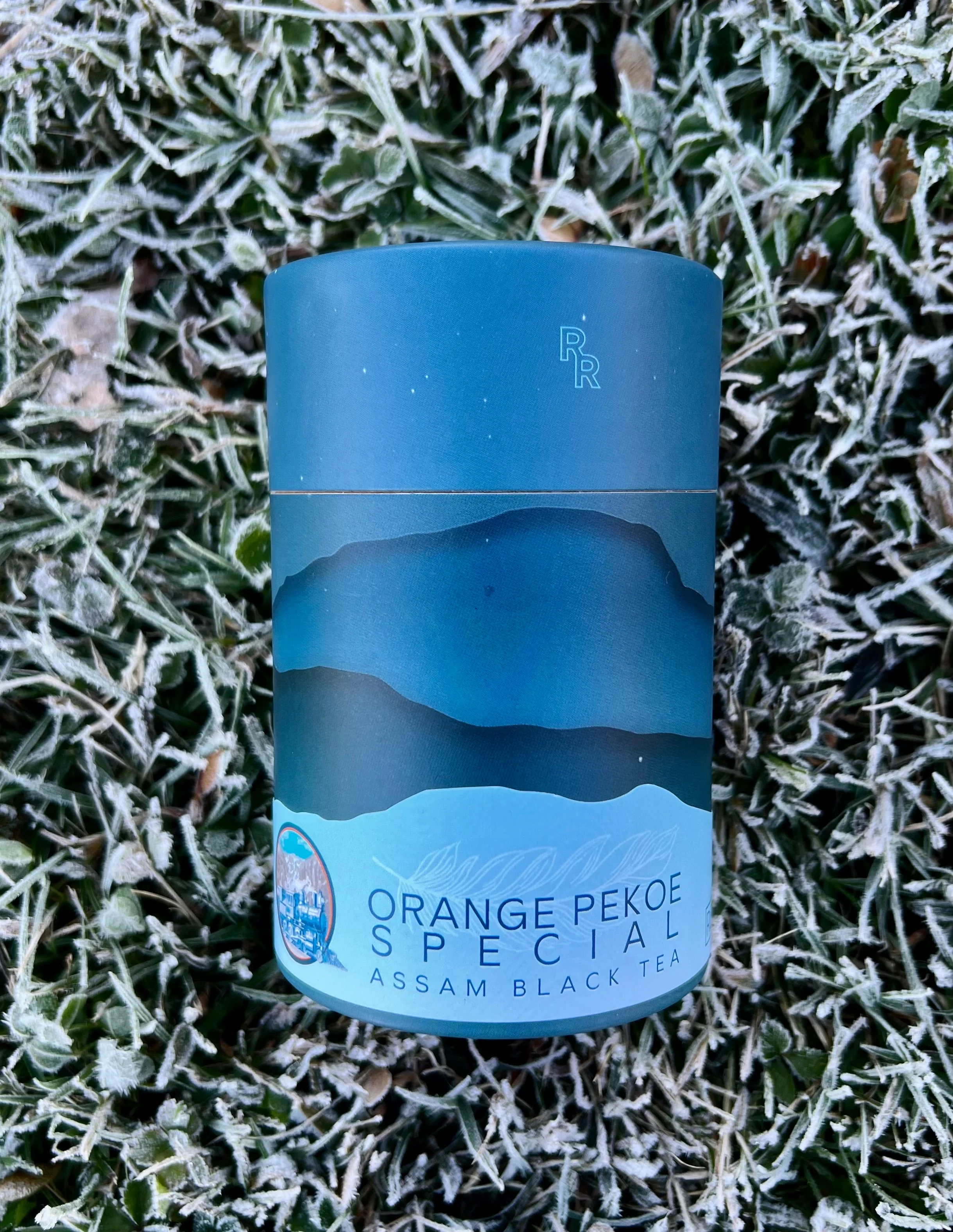
3.5oz canister
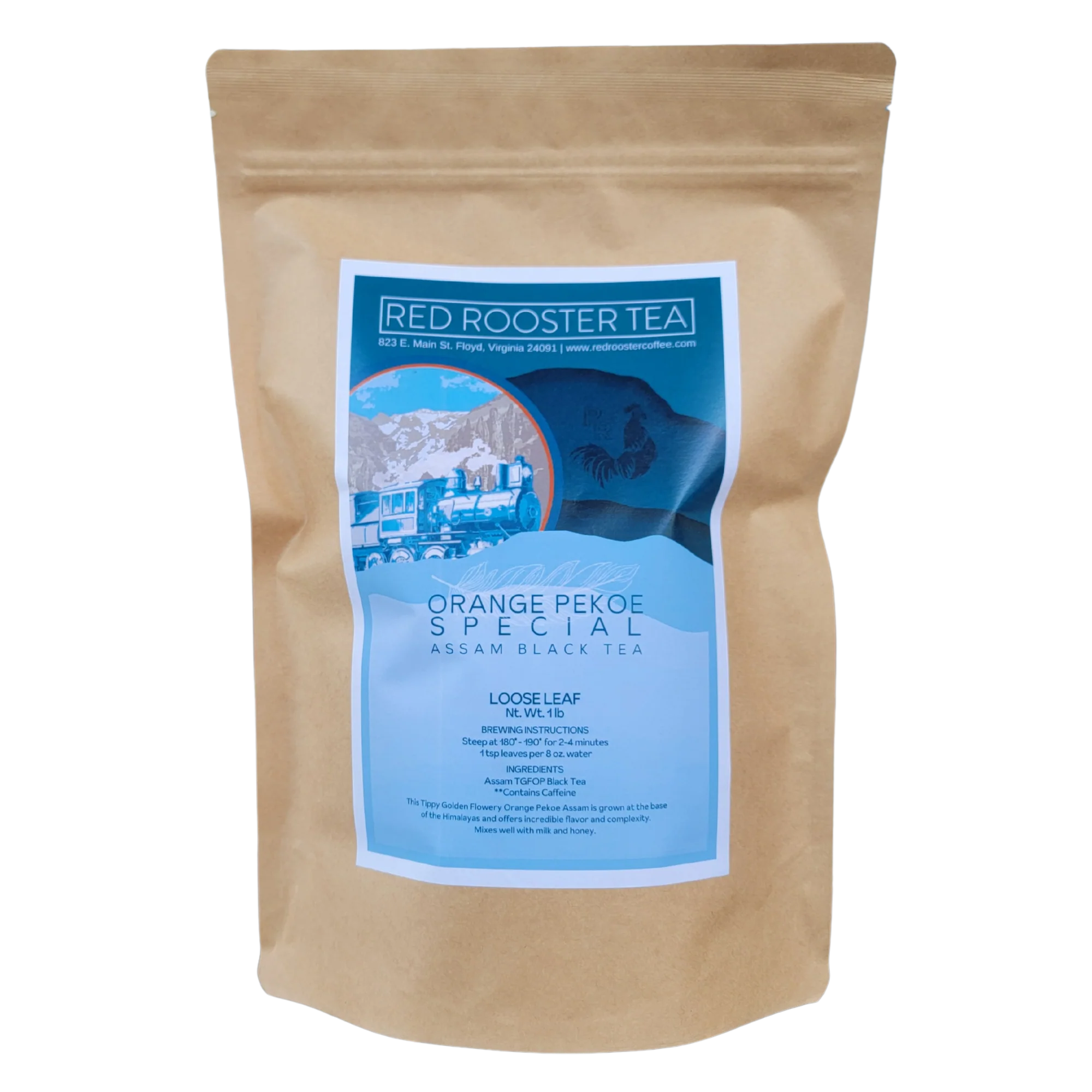
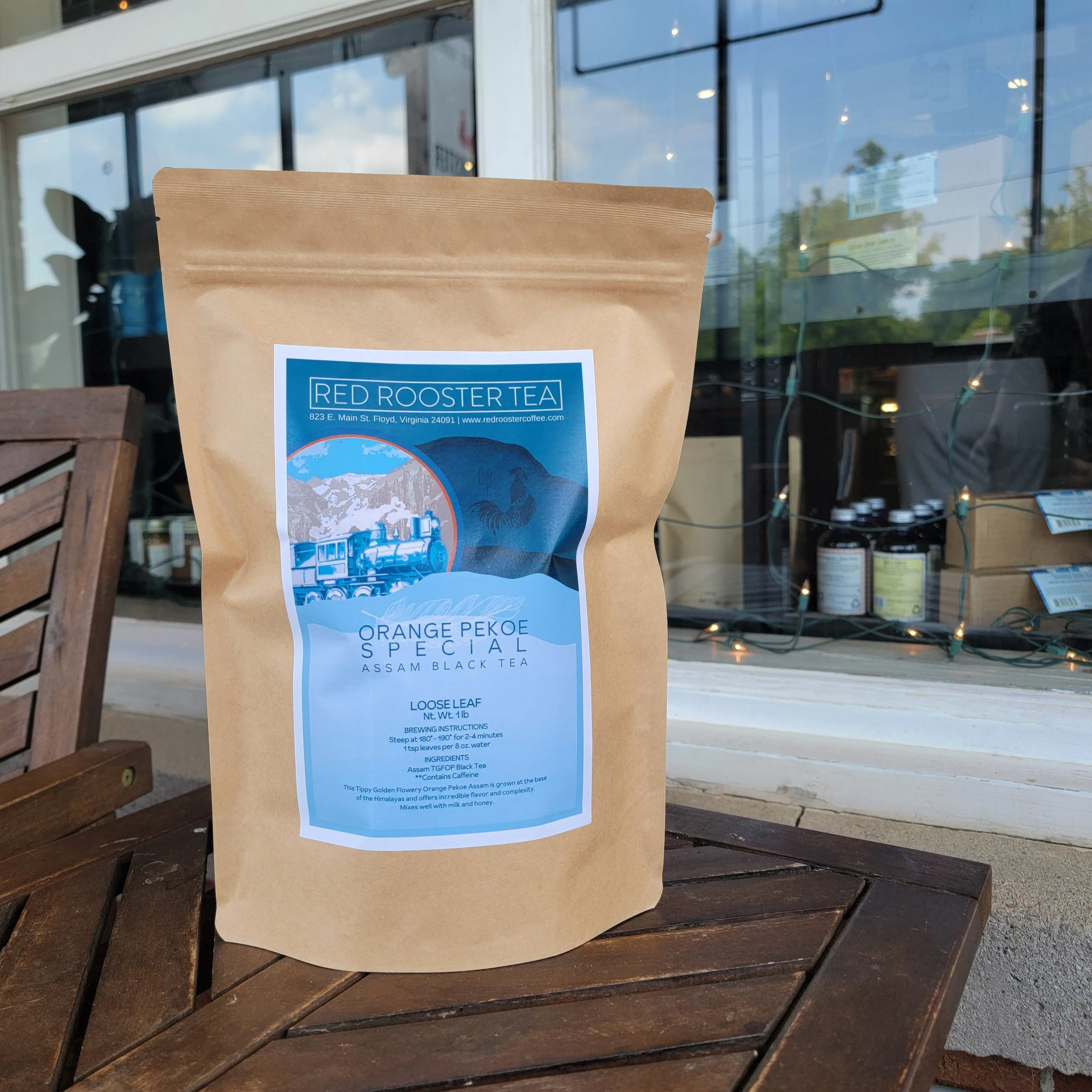
1lb bag
Grown in the vast Brahmaputra Valley, this tea is a perfect choice for the traditional tea drinker. Big and bold, this full bodied tea has notes of malt and honey.
Origins
Koilamri, Gingia, Beesakopie Estates, Assam, India
Process
First discovered growing wild in the jungles of the region in the mid 1800’s, Assam is India’s most popular variety. The state of Assam has become the world's largest tea-growing region, lying on either side of the Brahmaputra River, bordering Bangladesh and Myanmar. The daytime temperature rises to about 96.8F creating greenhouse-like conditions of extreme humidity and heat. This tropical climate contributes to Assam's uniquely malty taste, a feature for which this tea is well sought after. Seasonal monsoons flood and replenish the rich bottomland plantations annually, reviving the tea plants for the following season.
Original: $15.00
-70%$15.00
$4.50Product Information
Product Information
Shipping & Returns
Shipping & Returns
Description
3.5oz canister
1lb bag
Grown in the vast Brahmaputra Valley, this tea is a perfect choice for the traditional tea drinker. Big and bold, this full bodied tea has notes of malt and honey.
Origins
Koilamri, Gingia, Beesakopie Estates, Assam, India
Process
First discovered growing wild in the jungles of the region in the mid 1800’s, Assam is India’s most popular variety. The state of Assam has become the world's largest tea-growing region, lying on either side of the Brahmaputra River, bordering Bangladesh and Myanmar. The daytime temperature rises to about 96.8F creating greenhouse-like conditions of extreme humidity and heat. This tropical climate contributes to Assam's uniquely malty taste, a feature for which this tea is well sought after. Seasonal monsoons flood and replenish the rich bottomland plantations annually, reviving the tea plants for the following season.